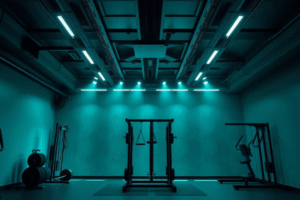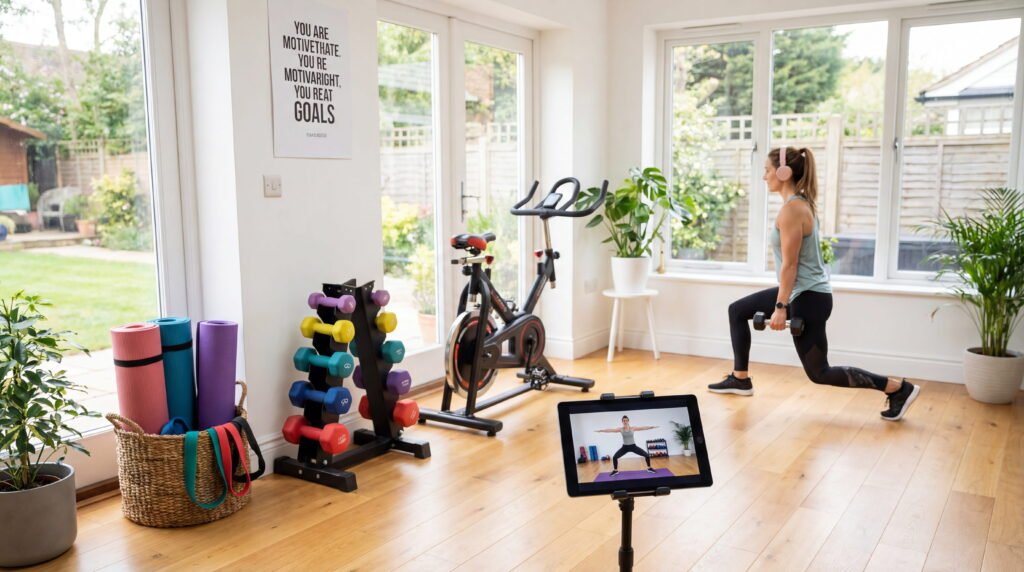
Over the past few years, home gyms have gained popularity. Because people look for alternatives to expensive gym memberships or crowded fitness centers. The convenience of working out at home, combined with the flexibility of creating your own workout schedule. It has made home gyms an appealing choice for many.
But the question remains: Can home gyms be effective?
The short answer is yes. With the right equipment, mindset, and approach, home gyms can be just as effective—if not more—than going to a traditional gym. Let’s explore why and how home gyms can be effective, along with the pros and cons of building your own fitness space at home.
What is a Home Gym?
A home gym refers to a designated area in your house or apartment where you can work out. This space may include fitness equipment, such as dumbbells, resistance bands, treadmills, stationary bikes, or even larger machines like a home weight bench or squat rack.
In its simplest form, a home gym might consist of just a yoga mat and a few free weights, or it could be a fully equipped workout room with cardio machines, weight training equipment, and other fitness tools. The key feature of a home gym is that it provides a personal space for exercise, allowing you to work out whenever you want without needing to travel to a commercial gym.
Advantages of Home Gyms
There are several reasons why home gyms can be an effective option for achieving your fitness goals. Here are some of the main advantages:
1. Convenience
One of the biggest advantages of a home gym is convenience. You don’t have to worry about commuting to the gym or working around its hours. Whether you’re an early riser or prefer late-night workouts, a home gym is always available. This makes it easier to fit exercise into your daily routine.
For example, if you’re a busy parent, having a home gym means you can work out while your kids are napping or playing at home. Similarly, if you have a tight work schedule, you can sneak in a quick workout before or after work without losing time to travel.
2. Cost-Effective in the Long Run
While setting up a home gym might require an initial investment in equipment, over time, it can be more cost-effective than a gym membership. Traditional gyms typically charge monthly fees, which can add up quickly. On the other hand, once you’ve bought the necessary equipment, there are no ongoing costs—aside from possible maintenance or upgrades.
Moreover, you avoid additional costs like parking fees, fuel for commuting, or the temptation to spend money on extra services at a commercial gym, like personal training or smoothie bars.
3. Privacy and Comfort
In a home gym, you don’t have to worry about crowded spaces, waiting for machines, or feeling self-conscious about your workout. You can set up your gym to suit your needs, whether you prefer music, TV shows, or complete silence during your exercises. Plus, you don’t have to worry about how you look while working out. This privacy and comfort can help reduce gym anxiety and improve your focus.
4. Flexibility in Your Routine
When you work out at home, you control your workout schedule. You’re not limited by gym hours or the availability of equipment. If you prefer doing yoga in the morning, strength training in the evening, or alternating between different activities, you can design your fitness routine exactly the way you want. This flexibility helps you stick to a consistent workout schedule, which is key to seeing results.
5. Wide Variety of Workouts
Home gyms allow you to try a variety of workouts. With a selection of equipment, such as dumbbells, kettlebells, resistance bands, and cardio machines, you can easily switch between strength training, cardio, yoga, pilates, or bodyweight exercises. This variety can keep your workouts interesting, preventing boredom and helping to avoid plateaus in your progress.
Disadvantages of Home Gyms
While there are clear advantages to home gyms, there are also some challenges and disadvantages to consider before deciding if a home gym is the right choice for you.
1. Initial Investment
Building a home gym can be expensive. Depending on your fitness goals and available space, you may need to invest in equipment like weights, resistance bands, cardio machines, or other specialized gear. High-quality gym equipment can be costly, and if you’re looking to create a full gym setup, the total cost can add up quickly.
However, it’s important to remember that this cost is a one-time expense, unlike ongoing gym memberships. Also, you can start small with basic equipment, like dumbbells or a yoga mat, and gradually add more equipment as your fitness needs grow.
2. Limited Space
Not everyone has the luxury of having a dedicated room for a home gym. If you live in a small apartment or house, you may struggle to find enough space for the equipment you need. In such cases, it’s important to choose compact, multifunctional equipment that can be stored easily when not in use.
You also need to think about safety. For example, when lifting weights, it’s important to ensure you have enough room to move freely without the risk of hitting walls or furniture.
3. Lack of Social Interaction
For some people, the social aspect of going to a gym is important. Commercial gyms offer opportunities to interact with other people, take group fitness classes, and connect with others who share similar fitness goals. At home, you miss out on this social interaction, which could affect motivation or make workouts feel less fun.
Additionally, some individuals may thrive on the energy and motivation that comes from being in a group setting or having a personal trainer nearby. Without this, it can be harder to stay committed, especially on days when you’re feeling low energy or unmotivated.
4. Distractions at Home
One of the challenges of working out at home is the number of distractions. Whether it’s family members, pets, household chores, or even your phone, it can be easy to get sidetracked and lose focus during your workout. Commercial gyms typically offer an environment free from distractions, allowing you to focus entirely on your fitness goals.
It requires a strong level of discipline to avoid these distractions and create a productive workout environment at home. You need to set boundaries and create a designated workout space to minimize interruptions and maintain focus.
5. Limited Equipment and Professional Guidance
At a commercial gym, you have access to a wide variety of equipment, including machines and specialized gear that may be difficult or expensive to replicate in a home gym. Additionally, gyms offer professional trainers who can provide personalized guidance, check your form, and adjust your workouts as needed. This expert input can be difficult to match with a home gym setup unless you hire a personal trainer or follow online workout plans.
If you’re unsure about proper form or need help with a workout routine, it’s easy to make mistakes at home. Incorrect form could lead to injuries or slow progress, which is why professional guidance is essential, especially for beginners or those trying new exercises.
How to Make Your Home Gym More Effective
To make the most of your home gym, here are some tips to help you get the best results:
Set Clear Goals: Determine what you want to achieve, whether it’s weight loss, strength building, or improving flexibility. Setting clear, realistic goals will help you stay focused and motivated.
Create a Routine: Structure your workouts by creating a schedule that fits into your daily life. Consistency is key to seeing results.
Invest in Essential Equipment: You don’t need to buy a lot of expensive equipment. Start with the basics, such as dumbbells, resistance bands, and a yoga mat, and build your collection over time.
Avoid Distractions: Create a dedicated space for your workouts and minimize distractions. Put away your phone or use apps that block notifications during workouts.
Consider Virtual Coaching: If you miss the guidance of a personal trainer, consider using virtual coaching apps or online workout classes. Many apps provide expert-led sessions that can help you stay on track.
Conclusion
Home gyms can absolutely be effective for achieving your fitness goals, especially when you have the right equipment, structure, and motivation. They offer convenience, flexibility, and privacy that can make working out more enjoyable and consistent. While there are some disadvantages, such as the initial investment and lack of social interaction, the benefits often outweigh the challenges.
Whether you’re looking to lose weight, build muscle, or improve overall fitness, a well-equipped home gym can be an excellent way to stay on track. With dedication, discipline, and the right tools, you can create an effective home gym that helps you reach your fitness goals— and by subscribing to my free newsletter, you can get more home workout tips, equipment guides, and fitness advice delivered regularly.